Categories
Blogs

How Fashion Sustainability Can Save You Money

While many people love the idea of sustainable fashion, there is a common misconception in the industry that buying sustainable clothing is expensive. The reality is that sustainable fashion isn’t as costly as you might assume, especially when you adopt a long-term mindset.

Today, we are looking at ways to embrace sustainable fashion while protecting your budget at the same time.

Choose Quality Over Quantity

While it might seem fun to have a big closet full of clothing, the reality is that quality investment pieces are much better than a lot of low-quality items. When you put on a low-quality piece of clothing, you might notice how the fit isn’t quite right and the fabric starts to lose its shape and vibrancy over time.

So, rather than buying a bunch of cheaply made pieces, shift your perspective to choose well-made, timeless fashions that will last for years. This approach helps you avoid the trends with fashion items that quickly go out of style within a season or two. Plus, the high-quality pieces that you choose will last longer and hold up against normal wear and tear.

Even though you are paying more initially for quality pieces, the cost-per-wear often results in a better investment since this quality clothing will be used over and over again – often for many years.

The Treasure Hunt Approach (Secondhand Shopping)

Another approach you might consider when searching for new outfits is to try secondhand shopping instead of buying everything new. Gently-used clothing is a fraction of the price compared to buying new items.

Search in local thrift stores and consignment shops, and you can also check online marketplaces such as Poshmark and ThredUp to find affordable and stylish clothing. This approach allows you to find unique and one-of-a-kind items while minimizing your impact on the environment.

Rental Shops and Clothing Swaps

If you need a formal outfit or something for a special occasion, look for rental options in your local area. This allows you to try new styles without spending a lot of money on expensive items that will only be worn once or twice.

Clothing swaps are another great way to switch out your unused clothing for new-to-you items. At these community events, everyone brings clothing to donate, and you can pick out new pieces from the things that other people are bringing. If you can’t find a clothing swap in your area, then consider starting one. It’s an excellent solution to refresh your wardrobe without spending any money.

Written by Becki Andrus in partnership with Faxage online faxing service.
Categories
Blogs

Why Recycling Clothes is Good for the Environment

Did you know that the average American gets rid of 81 pounds of clothing each year? We live in a consumer-focused society, and many people are always updating their closets with the latest styles and fashions. While there is nothing wrong with having nice clothing to wear, textile waste is a growing concern that is impacting the environment.

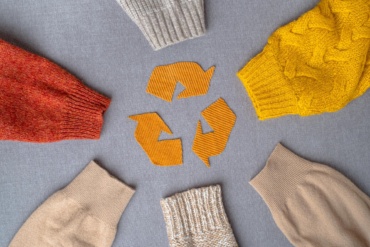
If you are looking for ways to keep your old clothes out of landfills, then consider recycling or donation options instead. Clothing recycling offers a simple and effective solution to conserve resources and minimize waste, helping to reduce the impact on the environment.

Here are a few of the reasons why it makes sense to recycle old clothing instead of throwing it away:

Decrease Landfill Waste

There is a growing waste problem, with many areas trying to figure out the best ways to manage the never-ending waste coming into the landfills. Not only do discarded clothing and textiles take up a lot of space, but these modern fabrics don’t decompose well. In fact, some of the synthetic materials can take hundreds of years before they start decomposing. During this time, they are affecting the environment due to the toxic chemicals that are released.

Choosing to recycle clothing instead of throwing it away can be an effective solution to decrease the strain on our waste management systems.

Protecting Our Resources

There are several ways that clothing manufacturing affects our natural resources. Not only are the materials needed to produce the clothing, but the manufacturing processes require both energy and water resources.

When clothing is recycled and reused, it helps to reduce the demand for new production. As a result, it’s possible to save these limited resources and protect our environment at the same time.

Reducing Pollution and Greenhouse Gasses

It’s important to understand how clothing manufacturing affects the environment due to greenhouse gas emissions and pollution. During the production processes, greenhouse gasses are released because manufacturing is energy-intensive. Additionally, transportation to deliver the products to retail stores and home deliveries also results in greenhouse gas emissions.

There are also many chemicals and microplastics that are used in the textile manufacturing industry. These chemicals can harm the delicate ecosystems on our planet and also pollute waterways. Microplastics are shed when the clothing is washed, and these small plastic particles eventually end up in our water sources and food chain.

The Benefits of Clothing Recycling are Undeniable

There’s no question that clothing recycling is an excellent solution to promote a circular economy, save resources, and reduce environmental pollution. Instead of throwing their clothing away, everyone can do their part to choose donations, recycling, or upcycling as a better solution.

Written by Becki Andrus in partnership with Clearwater Butterfly Releases

Categories
Blogs

Are Clothes Made in the USA Better Quality?

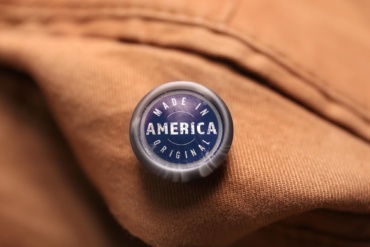
When you are shopping for clothing, are you looking for labels that say “Made in the USA”? This label often sparks curiosity, but some consumers debate whether it matters if you are buying clothing made locally vs. international manufacturing.

If you spend money on American-made clothing, does it mean that you are getting a superior product? When you consider the arguments and ethical considerations, it’s easy to see why it might make sense to look for products that are made in the USA.

Made in the USA: Quality Matters

Here are some of the reasons why American-made clothing is often a preferred choice over products that are manufactured in a different country:

  • Labor Standards: In the United States, U.S. Labor Laws are in place to protect workers and ensure fair wages. Additionally, these laws ensure that workers are given safe working conditions and that the highest levels of ethics are maintained at all times. Often, these factors result in higher-quality products.
  • Quality Materials: When a brand is American-made, they pride themselves on the quality of the products they are delivering to consumers. This starts with sourcing high-quality materials. So, if you buy something that is made in the USA, then it’s likely that the item will offer better durability and longevity compared to other options.
  • Attention to Detail: The smaller production runs in the United States mean that manufacturers can pay greater attention to the details. Look at the overall construction, and you will see that these items have better stitching and finishing compared to products that are mass-produced overseas.

Other Benefits of Buying American-Made Products

There are other reasons why you might choose to buy American-made products. For example, some consumers feel good spending their money in places where they are supporting the local economy. Buying something that is made in the USA means that you are supporting domestic jobs, businesses, and the community.

Also, buying locally is a great way to reduce the environmental impact of your purchases. Transportation distances are shorter, which helps to decrease pollution and your carbon footprint.

Is it Worth the Cost?

One hesitation that some people have about buying products made in the USA is the price differences. The reality is that buying a product manufactured locally often comes with a higher price tag since material sourcing and labor costs are higher.

But don’t forget to look at the long-term value. You’ll get a higher cost-per-wear for each item that you purchase. Investing in durable, long-lasting items actually saves you money in the long run.

Written by Becki Andrus in partnership with silver wholesaler Silver Superstore.