Categories
Blogs Business

How to Price and Market Upcycled Fashion Pieces for Maximum Profit

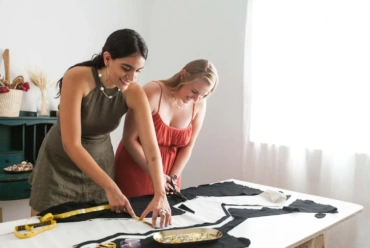
Upcycled fashion is on the rise as consumers look for clothing that is sustainable, unique, and thoughtfully designed. For designers and boutique owners, upcycling offers the chance to reduce costs while creating one-of-a kind pieces that stand out in a crowded marketplace. However, success in upcycled fashion depends on more than creativity alone. You also need a clear pricing strategy and smart marketing techniques to turn your work into profit. Here is how to do both confidently and effectively.

Start by Understanding Your Costs

Although upcycling often begins with low cost or free materials, your time and expertise are valuable. When pricing your pieces, consider the following:

  • Cost of secondhand materials or garments
    • Time spent cleaning, preparing, and redesigning the piece
    • Tools, supplies, trims, and embellishments
    • Skill level required to create the final item
    • Overhead costs such as studio space, equipment, and utilities

Even if the material cost is low, the value you add through craftsmanship and creativity should be reflected in the final price. Underpricing your work can make the brand appear less professional and reduce your long term profitability.

Research the Market and Your Ideal Customer

Look at what similar upcycled fashion brands are charging. Pay attention to style, quality, and brand reputation. This helps you understand where your work fits into the market.

Then define your target customer. Are they eco conscious shoppers, trend driven fashion lovers, or people who prefer one of a kind statement pieces? Each audience values different things, and your pricing should reflect the perceived value from their perspective.

Upcycled fashion also resonates strongly with professionals such as nurses and doctors who spend long hours in demanding environments and value comfort, durability, and sustainability in the clothing they choose. Many healthcare workers seek unique pieces that allow them to express individuality outside of work, and they appreciate garments that reflect mindful consumption. When marketing your upcycled designs, consider highlighting options that appeal to busy medical professionals such as comfortable weekend wear, thoughtfully crafted accessories, or practical bags made from repurposed fabrics. This audience is often drawn to meaningful purchases that support small designers and promote environmental responsibility, making them an excellent demographic for upcycled fashion brands.

Use Storytelling to Add Value

One of the most powerful selling points in upcycled fashion is the story behind the garment. Sharing the transformation journey elevates the emotional connection customers feel with the product.

Tell them things like:

  • Where the material came from
    • What inspired the redesign
    • What problems you solved during the transformation
    • How much waste was prevented by upcycling the piece

People are willing to pay more when they feel part of something meaningful. Storytelling turns a simple garment into an artistic narrative.

Showcase High Quality Photos and Videos

Upcycled garments often have intricate details or creative construction. Clear, well lit photos help customers appreciate the craftsmanship. Videos showing the transformation process or the item being worn add even more value.

Strong visuals allow you to price higher because customers can clearly see the quality, fit, and uniqueness.

Highlight Sustainability Benefits

Many shoppers today are intentionally seeking sustainable fashion. Make sure your marketing reflects the environmental impact of your work. Share statistics on textile waste, the benefits of reusing materials, or how your brand supports a circular fashion economy.

This not only attracts eco conscious shoppers but also justifies higher price points.

Offer Limited Editions or One of a Kind Drops

Scarcity increases perceived value. Promote your upcycled items as limited editions or one of a kind pieces. When customers know there is only one available, the urgency to purchase increases. This strategy also positions your brand as artistic and exclusive.

Build a Community Around Your Brand

Engage followers through social media by sharing behind the scenes content, transformation stories, customer features, and new ideas in progress. Host live sessions where you answer questions about sustainability and design. A strong community increases trust and encourages repeat purchases.

Pricing and marketing upcycled fashion pieces require confidence in your work and clarity in your branding. By understanding your costs, telling meaningful stories, showcasing quality visuals, and connecting with the right audience, you can grow a profitable business centered around creativity and sustainability. Upcycling is more than a trend. It is a movement that blends artistry with conscious living, and when marketed well, it can elevate both your brand and your bottom line.

Written by the staff writing team at HappyWriters.co
Categories
Blogs Business

Upcycling is A Smart and Stylish Approach to Sustainable Fashion

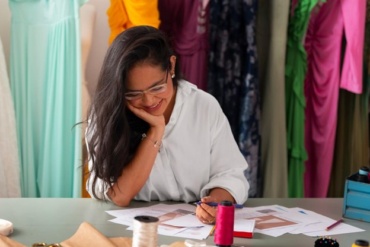
In a world where fashion trends change quickly and the cost of clothing continues to rise, finding creative ways to stretch your budget has become essential. Upcycling offers one of the most effective solutions. It helps you save money, reduce waste, and elevate your personal or professional fashion projects with unique and meaningful designs. Whether you are a designer, boutique owner, or simply someone who loves fashion, upcycling blends style, sustainability, and smart financial sense.

What Upcycling Is and Why Does it Help You Save Money?

Upcycling means taking old, worn, or unused clothing and transforming it into something new and valuable. Instead of buying new materials or investing in fresh pieces each season, you can work with garments or textiles you already have. This approach dramatically reduces costs. For individuals, it cuts down on unnecessary shopping. For designers and growing fashion brands, it lowers material expenses while producing one of a kind pieces that today’s consumers love.

Upcycling is different from recycling because the original fabrics stay intact. They are upgraded, redesigned, and given new purpose without being broken down. As a result, you preserve quality while creating fresh styles.

Turning Old Clothing Into Fresh Fashion

Most people have clothing tucked away that no longer fits, feels outdated, or has minor damage. Instead of letting those pieces sit unused, they can serve as the foundation for something fresh.

Here are a few simple and cost friendly upcycling ideas:

  • Convert old jeans into shorts, skirts, bags, or apron style tops
    • Add embroidery, trim, ribbon, beads, or patches to renew jackets or shirts
    • Transform oversized shirts into dresses, crop tops, or fitted blouses
    • Combine elements from several garments to create unique statement pieces
    • Use leftover fabric, scarves, or textile scraps to make headbands, tote bags, pillows, or quilting projects

Each of these ideas costs little to nothing while allowing full creative expression.

Upcycling as a Profitable Business Strategy

For fashion entrepreneurs, upcycling is more than a hobby. It can become a powerful business model. Customers are increasingly drawn to sustainable products and one of a kind designs that tell a story. Upcycled fashion checks all the boxes while keeping production costs low.

Secondhand shops, estate sales, clearance bins, and textile recycling facilities become rich sources of affordable materials. Designers who share the transformation process or highlight the history of a garment build strong connections with customers who appreciate authenticity and sustainability.

This approach often leads to higher profit margins because the creative labor becomes the main value added to an otherwise low cost item.

Good for Your Budget and Better for the Planet

Upcycling keeps textiles out of landfills and promotes mindful consumption. It shifts the focus from disposable trends to thoughtful redesign. At the same time, it makes fashion more affordable by reducing the need for constant new purchases. For individuals and businesses alike, upcycling offers a way to stay stylish without overspending.

Upcycling proves that fashion can be both sustainable and profitable. With creativity and an openness to experimentation, you can refresh your wardrobe, reduce waste, and save money at the same time. Whether you create for yourself or for customers, upcycling allows you to bring new life to forgotten materials while building a more conscious and stylish future for the fashion world.

Written by the staff writing team at HappyWriters.co

Categories
Blogs

How AI Is Transforming Wedding Attire and the Future of Bridal Fashion

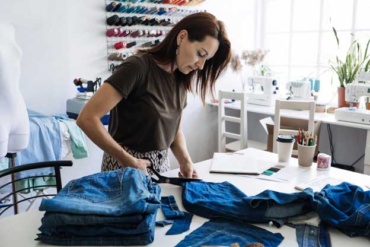
Artificial intelligence is rapidly changing the way the apparel industry operates, and one of the most exciting transformations is happening within the world of wedding attire. Bridal fashion has always been driven by emotion, craftsmanship, and tradition, yet modern technology is helping designers, retailers, and manufacturers bring new levels of personalization, efficiency, and creativity to the bridal experience. From custom gown design to supply chain improvements, AI is redefining what it means to dress for one of life’s most memorable moments.

AI Powered Design for Modern Brides

Wedding attire has always required an elevated level of artistry and technical skill, and AI is now supporting designers by providing faster and more accurate design insights. Intelligent software is able to analyze thousands of images of gowns, veils, suits, and accessories across social media, runways, and fashion archives. This allows brands to identify emerging bridal trends more quickly, such as popular silhouettes, lace patterns, neckline shapes, and embellishment styles.

Using this data, AI assisted design programs can generate digital sketches or 3D renderings that help designers visualize new gown concepts within minutes. Brides benefit as well because these tools allow for more customized options. A bride could input her preferred neckline, sleeve style, and train length, and the system could suggest design combinations based on her taste. This makes it easier for bridal brands to offer made to order gown experiences at a wider range of price points.

Improving Fit and Personalization

Fit is one of the most important elements of any wedding gown. AI body scanning tools and virtual try on software are giving brides a more accurate preview of how a dress will look on their specific body shape. This reduces the guesswork often associated with bridal fittings and helps designers create patterns that require fewer alterations.

Small bridal boutiques and independent designers also gain valuable insights from AI driven fit analytics, helping them create gowns that are more consistent and size inclusive. This level of personalization supports a better customer experience and ensures brides feel confident in their final look.

Streamlining Production and Reducing Waste

AI also plays a major role behind the scenes. Bridal gowns often require intricate handwork and expensive fabrics, which means any production errors can be costly. Intelligent manufacturing systems can read patterns, check fabric quality, and identify issues before cutting begins. This leads to improved accuracy and lower material waste.

Inventory management is also becoming easier as AI predicts which styles will sell, which fabrics will be in demand, and which sizes should be stocked. Bridal shops that rely on special ordering benefit from these insights because they can offer better guidance to brides and reduce the risk of overbuying.

Enhancing the Shopping Experience

AI powered tools are changing the way brides find their dream gown. Online retailers are using personalized recommendation systems that show dresses based on previous browsing behavior, saved photos, or style preferences. Brides can even upload inspiration pictures and receive suggestions that match the mood or silhouette of the image.

Virtual consultations supported by AI make it easier for brides to shop from home, compare styles, and narrow their choices before stepping into a boutique. This saves time and helps create a more enjoyable and confident shopping experience.

The wedding attire industry is entering a new era where tradition and technology work together beautifully. AI is helping designers create innovative gowns, improving fit and customization, reducing waste, and making the shopping experience more personal than ever before. Brides are still seeking romance, beauty, and meaning in what they wear, but now they have access to smarter tools that guide them toward a gown that truly reflects who they are. For fashion professionals, understanding and embracing AI is key to thriving in the evolving world of bridal fashion.

Written by the staff writing team at HappyWriters.co
Categories
Blogs Uncategorized

AI in the Fashion Industry

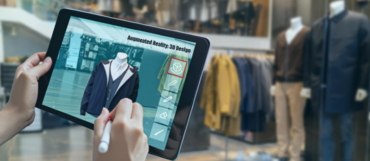
Artificial Intelligence (AI) is transforming the fashion industry, redefining how designers create, retailers sell, and consumers shop. From predicting trends to optimizing supply chains, AI is rapidly becoming an essential tool for brands aiming to stay competitive in an increasingly fast paced, consumer driven market. As AI technology evolves, its applications in fashion continue to expand, enhancing creativity, efficiency, and sustainability.

AI Driven Design and Trend Forecasting

One of the most exciting applications of AI in fashion is its ability to analyze massive amounts of data to forecast trends. Platforms like Heuritech and Edited scan social media, runway shows, and retail platforms to identify emerging colors, patterns, and styles before they hit the mainstream. This data allows designers to create collections that resonate with current consumer preferences, reducing the risk of overproduction and unsold inventory.

By leveraging predictive analytics, brands can make strategic decisions about which products to prioritize, helping smaller designers compete alongside major fashion houses. AI can also suggest creative combinations that human designers may not have considered, blending data driven insights with human creativity. This synergy between AI and human intuition is driving a new era of innovative, market ready fashion.

Personalized Shopping Experiences

AI is revolutionizing how consumers interact with fashion brands. Personalized shopping platforms such as Stitch Fix and Style DNA use machine learning to analyze customer data, including purchase history, style preferences, and even social media activity. The result? Tailored recommendations that make shopping more intuitive and enjoyable.

These AI powered platforms can predict what a customer is likely to purchase next, creating a curated experience that feels personal and effortless. For brands, this means higher conversion rates and stronger customer loyalty. Beyond individual recommendations, AI also helps retailers segment audiences more effectively, enabling them to launch targeted marketing campaigns and optimize inventory according to anticipated demand.

Virtual Try Ons and Digital Fashion

Virtual try on technology is reshaping the online shopping experience. AI allows consumers to “try on” clothes digitally using their smartphones or webcams, reducing uncertainty and improving satisfaction with online purchases. Companies like GlamAI provide digital fitting rooms where users can see how garments will fit before buying, increasing confidence and reducing returns.

Digital fashion is also emerging as a standalone segment, with AI generated designs and 3D modeling allowing brands to experiment with sustainable, virtual only collections. Some major retailers, including Zara and H&M, use AI not only for virtual try-ons but also to streamline design processes, making production faster and more cost efficient while minimizing waste.

Sustainable Practices Through AI

Sustainability is a growing priority for the fashion industry, and AI is helping brands meet these goals. AI can optimize supply chains by predicting demand accurately, preventing overproduction, and reducing carbon footprints. Textile recycling is another area where AI is making an impact; machine learning algorithms are being used to identify materials and automate sorting, improving recycling efficiency.

Additionally, AI can track energy usage, monitor emissions in manufacturing processes, and even suggest alternative materials with lower environmental impact. By integrating AI into sustainability initiatives, fashion brands can achieve both economic and environmental benefits, making responsible production a practical reality.

Ethical Considerations and Challenges

While AI offers significant advantages, it also presents ethical challenges. The use of AI generated models and designs raises questions about intellectual property and originality. There are also concerns about workforce displacement, as some traditional roles in design and retail may be automated.

To address these issues, brands must adopt responsible AI practices, ensuring transparency and fairness. Human oversight remains crucial to avoid bias in algorithms, and designers must balance AI efficiency with creativity and authenticity. Ethical AI integration not only safeguards the industry but also builds trust with consumers who are increasingly conscious of brand responsibility.

AI is reshaping the fashion industry from design and production to retail and sustainability. It empowers brands to make smarter decisions, enhance customer experiences, and reduce environmental impact while unlocking new creative possibilities. For fashion professionals, embracing AI is no longer optional, it’s a strategic necessity. By understanding and leveraging these technologies, designers, retailers, and brands can stay ahead in a rapidly evolving industry where innovation and adaptability are key to success.

Written by the staff writing team at HappyWriters.co

Categories
Blogs Uncategorized

How the New Tariffs Are Affecting Small Businesses

In 2025, small businesses across the United States are grappling with the significant impacts of newly implemented tariffs. These trade policies, introduced under the current administration, have led to increased costs, supply chain disruptions, and heightened economic uncertainty, posing substantial challenges for small enterprises.

Rising Costs and Supply Chain Disruptions

The introduction of tariffs has resulted in increased costs for imported goods and materials. Small businesses, often operating with limited financial buffers, are particularly vulnerable to these price hikes. Many rely on global supply chains for inventory and components, making them susceptible to disruptions and cost escalations.

For example, the toy industry has experienced notable price increases due to tariffs on imports. Manufacturers and retailers have reported raising prices by up to 36% to offset the higher import costs. This has led to reduced consumer demand and forced some small retailers to adjust their product offerings and pricing strategies.

Legal Challenges and Economic Uncertainty

The tariffs have also prompted legal challenges from small business owners. In a notable case, a coalition of small businesses filed a lawsuit against the federal government, arguing that the tariffs were imposed without proper congressional approval and have caused significant financial harm. The plaintiffs contend that the tariffs threaten the survival of their businesses and seek judicial relief to mitigate the adverse effects.

Beyond legal disputes, the broader economic uncertainty stemming from the tariffs has led to cautious business practices. Small enterprises are delaying expansion plans, reducing investments, and, in some cases, implementing hiring freezes to navigate the unpredictable economic landscape.

Strategies for Adaptation

In response to these challenges, small businesses are exploring various strategies to adapt:

  • Diversifying Supply Chains: Seeking alternative suppliers in countries not affected by the tariffs to reduce dependency on specific import sources.
  • Adjusting Pricing Models: Reevaluating pricing structures to balance the increased costs without alienating price-sensitive customers.
  • Enhancing Operational Efficiency: Implementing cost-saving measures and optimizing operations to maintain profitability amidst rising expenses.
  • Advocacy and Collaboration: Engaging with industry associations and policymakers to voice concerns and advocate for more favorable trade policies.

The new tariffs of 2025 have introduced significant hurdles for small businesses, affecting their financial stability and operational viability. While some are finding ways to adapt, the overarching sentiment is one of concern and uncertainty. As these enterprises are integral to the U.S. economy, supporting them through informed policy decisions and practical assistance is crucial to ensure their resilience and continued contribution to economic growth.

Written by the writing staff at HappyWriters.co

Categories
Blogs

What It Takes to Build a Successful Business From Your Hobby

Turning a beloved sewing hobby into a successful business is a dream for many, but it
requires more than just passion to make it a reality. While the idea of earning an income
doing what you love is exciting, the journey involves careful planning, strategic thinking,
and a willingness to face challenges head-on. From understanding the market demand for
your hobby to managing finances and scaling operations, each step comes with its own set
of considerations. By approaching this transformation with a clear vision and practical
strategies, you can build a business that aligns with your interests and achieves long-term
success.

Investing in Yourself
Going back to school to earn an online degree is a great way to sharpen your skills and
prepare for the challenges of transforming a hobby into a business. For example, by earning
a computer science degree, you can enhance your expertise in IT, programming, and

computer science theory, which can be invaluable for tech-focused ventures. If expanding
your knowledge aligns with your goals, you may be interested in online programs that offer
flexibility, allowing you to learn and grow while managing your business responsibilities.
This approach ensures you stay competitive and well-equipped to succeed.

Identifying and Understanding Your Customers
To create a successful business, it’s essential to identify and understand your target
customers’ unique needs and preferences. Understanding these subgroups can enhance
your marketing strategies. By tailoring your offerings to meet these specific demands, you
can effectively engage your audience and increase your business’s appeal.

Engaging a Mentor
Turning a hobby into a successful business requires more than just passion; it demands
strategic guidance and insight. Seeking mentorship from experienced entrepreneurs can be
a game-changer, offering you valuable perspectives on industry challenges and tested
strategies. Mentors can help you navigate the complexities of business growth, providing
innovative solutions that have proven effective in real-world scenarios. With a significant
number of adults engaging in side hustles, the trend of monetizing personal interests is on
the rise. By learning from those who have already achieved success, you can sidestep
common pitfalls and accelerate your journey

.Choosing a Business Structure for Your Venture
When you’re ready to start your business, choosing the right business structure is a pivotal
decision that influences your legal and tax responsibilities. A sole proprietorship is the
most straightforward option, merging your personal and business identities, but it also
means you’re personally liable for any debts. On the other hand, a limited liability company
(LLC) offers a layer of protection for your personal assets against business liabilities,
striking a balance between simplicity and security. If you foresee substantial growth or
need to attract investors, forming a corporation might be the best route, providing limited
liability and potential tax advantages, albeit with more regulatory complexity and costs.

Creating a Pop-Up Shop
Transforming your hobby into a successful business involves strategic decisions, one of
which is exploring physical sales venues like pop-up shops. These temporary retail spaces
offer a unique opportunity to engage directly with potential customers, bypassing the
crowded digital advertising landscape. By setting up a pop-up shop, you can create
memorable physical impressions that are often more impactful and cost-effective than
digital ones. Additionally, pop-up shops allow you to test new markets and gather valuable
customer feedback without the long-term commitment of a permanent storefront.

Becoming a Sustainable Business
It’s important to consider both environmental and ethical impacts of how you operate your
business. This may mean a commitment to sustainable sourcing, which aids in

environmental conservation and ensures compliance with legal standards and enhances
your business reputation. By collaborating with suppliers who share your values, you can
balance social responsibility, environmental stewardship, and economic viability. This also
reduces operational costs and positions your business as a leader in sustainability,
contributing to a more equitable and resilient future.
The path from sewing hobby to business is filled with both excitement and challenges. By
integrating strategic planning with a deep understanding of your market, seeking guidance
from mentors, selecting the appropriate business structure, and embracing innovative
sales and sustainability practices, you can transform your passion into a thriving
enterprise. These strategies will help you establish a successful business and ensure its
growth and sustainability in a competitive landscape.
Discover how to turn your fashion ideas into a profitable reality with Fashion For Profit, your
ultimate resource for world-class education, consulting, and industry connections!

Categories
Uncategorized

From Stuck to Inspired: Techniques to Reignite Your Creative Potential

Creativity isn’t just the realm of artists and innovators; it’s a vital tool for navigating challenges, generating solutions, and finding fulfillment in both personal and professional pursuits. Yet, even the most imaginative minds can encounter periods of stagnation. Whether you’re striving to solve complex problems at work or seeking inspiration to reignite your passions, refreshing your creative energy can lead to remarkable breakthroughs. By exploring actionable strategies to nurture and invigorate your creativity, you can unlock new opportunities and elevate every aspect of your life.

Take Time for Relaxation

Taking time to relax is essential for rejuvenating your creative potential. When your mind is at ease, it creates a tranquil space where innovative ideas can emerge, much like a calm lake revealing hidden treasures beneath its surface. Engaging in practices like meditation can help you achieve this state of calm, allowing you to release daily stresses and open up to new possibilities. By regularly incorporating relaxation techniques, such as meditation or mindful walks, you can access your innate creativity, which is often overshadowed by the noise of everyday life.

Use Failure as a Path to Success

In creative fields, reimagining failure as a catalyst for innovation rather than a hindrance can boost your creative output. By embracing mistakes, you gain the opportunity to analyze what went wrong and refine your strategies, leading to more inventive solutions. Failures often teach us more than successes, offering valuable insights into the design process. Cultivating a mindset that views failure as a growth opportunity not only enhances personal development but also fosters professional success.

Join Dynamic Learning Events

Participating in webinars, workshops, and conferences provides a dynamic way to boost your creativity by exposing you to fresh ideas, diverse perspectives, and expert insights. These events often present new techniques, strategies, and trends that can inspire innovative thinking and help you refine your own creative processes. Engaging with like-minded individuals during interactive sessions fosters collaboration and sparks unique ideas you might not have developed in isolation. Additionally, the focused environment of these events encourages hands-on learning, allowing you to apply new concepts directly to your personal or professional projects.

Lean into Structured Challenges

Leaning into structured challenges offers a practical way to stimulate creativity by introducing focus and discipline into the creative process. Whether it’s setting a time limit to solve a problem, creating a step-by-step plan for a project, or tackling a complex task in stages, these challenges encourage innovative thinking within clear boundaries. For example, working to improve an existing process or designing a solution within specific constraints forces you to think critically and creatively. This structured approach not only sparks fresh ideas but also builds confidence in tackling bigger challenges, making it a valuable tool for enhancing both personal and professional creativity.

Ignite Your Creativity Through Entrepreneurship

Starting your own business is an excellent way to expand your creativity by turning innovative ideas into reality and exploring new ways to solve problems or meet market demands. The process begins with identifying your business concept, conducting market research, and developing a plan that outlines your goals and strategies. Choosing a business structure is a key step, and registering as a limited liability company (LLC) is a popular option because it protects your personal assets while offering operational flexibility and tax advantages. You can save money on legal fees by filing the necessary documents yourself or using a reliable formation service; for example, you can form an LLC in California with ZenBusiness, a cost-effective option that simplifies the process.

Create a Vision Board

Vision boards are a powerful tool for channeling your creativity into tangible goals. By curating a collection of images, words, and other visuals, you create a vivid representation of your aspirations, whether personal or professional. This visual approach not only clarifies your objectives but also keeps them at the forefront of your mind, aiding in their realization. With the rise of digital platforms, you can now easily create vision boards online, offering flexibility and access to a vast array of resources.

Learn to Better Manage Projects

When you’re faced with large creative projects, breaking them down into smaller, manageable tasks can be a game-changer. By dividing a project into phases like “The Beginning,” “The Middle,” and “The End,” you can assign specific tasks to each phase, making the process more approachable. This strategy not only helps organize your workload but also ensures clarity and focus for each task. This structured approach enhances productivity and fosters creativity by allowing you to concentrate on one aspect at a time.

By integrating these strategies into your routine, you can cultivate a more vibrant and effective creative process. Whether through entrepreneurship, relaxation, or structured challenges, each approach offers unique benefits that contribute to your overall growth. Embrace these methods to not only enhance your creative skills but also to achieve greater success in your personal and professional endeavors.

Discover how to transform your fashion ideas into a thriving business with Fashion For Profit, your ultimate resource for expert consulting, education, and industry connections.