Categories
Blogs

Why Recycling Clothes is Good for the Environment

Did you know that the average American gets rid of 81 pounds of clothing each year? We live in a consumer-focused society, and many people are always updating their closets with the latest styles and fashions. While there is nothing wrong with having nice clothing to wear, textile waste is a growing concern that is impacting the environment.

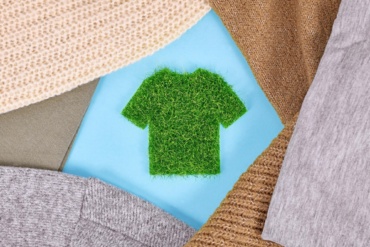
If you are looking for ways to keep your old clothes out of landfills, then consider recycling or donation options instead. Clothing recycling offers a simple and effective solution to conserve resources and minimize waste, helping to reduce the impact on the environment.

Here are a few of the reasons why it makes sense to recycle old clothing instead of throwing it away:

Decrease Landfill Waste

There is a growing waste problem, with many areas trying to figure out the best ways to manage the never-ending waste coming into the landfills. Not only do discarded clothing and textiles take up a lot of space, but these modern fabrics don’t decompose well. In fact, some of the synthetic materials can take hundreds of years before they start decomposing. During this time, they are affecting the environment due to the toxic chemicals that are released.

Choosing to recycle clothing instead of throwing it away can be an effective solution to decrease the strain on our waste management systems.

Protecting Our Resources

There are several ways that clothing manufacturing affects our natural resources. Not only are the materials needed to produce the clothing, but the manufacturing processes require both energy and water resources.

When clothing is recycled and reused, it helps to reduce the demand for new production. As a result, it’s possible to save these limited resources and protect our environment at the same time.

Reducing Pollution and Greenhouse Gasses

It’s important to understand how clothing manufacturing affects the environment due to greenhouse gas emissions and pollution. During the production processes, greenhouse gasses are released because manufacturing is energy-intensive. Additionally, transportation to deliver the products to retail stores and home deliveries also results in greenhouse gas emissions.

There are also many chemicals and microplastics that are used in the textile manufacturing industry. These chemicals can harm the delicate ecosystems on our planet and also pollute waterways. Microplastics are shed when the clothing is washed, and these small plastic particles eventually end up in our water sources and food chain.

The Benefits of Clothing Recycling are Undeniable

There’s no question that clothing recycling is an excellent solution to promote a circular economy, save resources, and reduce environmental pollution. Instead of throwing their clothing away, everyone can do their part to choose donations, recycling, or upcycling as a better solution.

Written by Becki Andrus in partnership with Clearwater Butterfly Releases
Categories
Blogs

Are Clothes Made in the USA Better Quality?

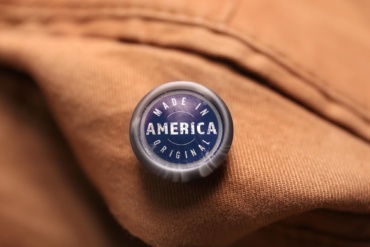
When you are shopping for clothing, are you looking for labels that say “Made in the USA”? This label often sparks curiosity, but some consumers debate whether it matters if you are buying clothing made locally vs. international manufacturing.

If you spend money on American-made clothing, does it mean that you are getting a superior product? When you consider the arguments and ethical considerations, it’s easy to see why it might make sense to look for products that are made in the USA.

Made in the USA: Quality Matters

Here are some of the reasons why American-made clothing is often a preferred choice over products that are manufactured in a different country:

  • Labor Standards: In the United States, U.S. Labor Laws are in place to protect workers and ensure fair wages. Additionally, these laws ensure that workers are given safe working conditions and that the highest levels of ethics are maintained at all times. Often, these factors result in higher-quality products.
  • Quality Materials: When a brand is American-made, they pride themselves on the quality of the products they are delivering to consumers. This starts with sourcing high-quality materials. So, if you buy something that is made in the USA, then it’s likely that the item will offer better durability and longevity compared to other options.
  • Attention to Detail: The smaller production runs in the United States mean that manufacturers can pay greater attention to the details. Look at the overall construction, and you will see that these items have better stitching and finishing compared to products that are mass-produced overseas.

Other Benefits of Buying American-Made Products

There are other reasons why you might choose to buy American-made products. For example, some consumers feel good spending their money in places where they are supporting the local economy. Buying something that is made in the USA means that you are supporting domestic jobs, businesses, and the community.

Also, buying locally is a great way to reduce the environmental impact of your purchases. Transportation distances are shorter, which helps to decrease pollution and your carbon footprint.

Is it Worth the Cost?

One hesitation that some people have about buying products made in the USA is the price differences. The reality is that buying a product manufactured locally often comes with a higher price tag since material sourcing and labor costs are higher.

But don’t forget to look at the long-term value. You’ll get a higher cost-per-wear for each item that you purchase. Investing in durable, long-lasting items actually saves you money in the long run.

Written by Becki Andrus in partnership with silver wholesaler Silver Superstore.

Categories
Blogs

THE ROLLOUT OF BED NEW TREND! ANYTHING GOES!

Just when I thought fashion trends had reached the literal bottom of all trends with the all-day leggings trend that stays on from the gym to changing tops for lunch and dressier tops for dinner! Now we have the fall out of bed in PJ bottoms and shrunk tank top and out the door! For me, the plaid PJ bottoms that don’t match on seams are THE WORST!

Even Chanel has joined this casual trend that @KrisJenner has endorsed. Jenner was spotted wearing the colorful two-piece set, which features splashy purple, blue and pink flowers, and the famous double-C logo while stepping out for Paris Fashion Week. She wore the round-necked Embroidered Printed Neoprene Jacket buttoned up, while she showed off matching shoes in the same print, which peeked out below the wide hem of her matching pants.

@KimJenner

But, I must be getting old as my granddaughter gave me a very dirty look when I voiced my opinion on this over-casual trend. On these models the style doesn’t really look as bad as my daily views of this overly casual trend. Many who do choose to adopt this trend should really get some styling advice from an expert to see the most advantageous way to wear this overly casual style. I have lived through wearing miniskirts, hotpants, wide puffed-up shoulders and each trend had their own draw backs. These days you can wear whatever you feel comfortable wearing as today’s trends are much more a casual choice and for the most part, good and bad you can merchandise yourself in your own stylish manor to create your own fashion trend! This also means that vintage is also incorporated into styles.

All this means that there are no real trends that are being dictated and faithfully followed as years past, besides these stylish PJ’s. This and other changes have resulted in the collapse of many brands and brick and mortar stores. Buying online direct from brands has also impacted the bricks and mortar stores who are scrambling to recreate and adjust to these evolving industry trends and challenges. For the buyer it is a positive change as buying direct from a brand cuts the normal retail mark up of 120%.

But the good news is that second hand and vintage are good stories for the recycled and upcycle sustainable trend. Bottom line is that we can choose to wear whatever we feel like wearing each day.

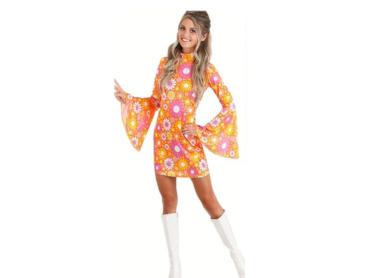
70’s Hot Pants and 60’s Mini dress. Both could and are being worn today.

Categories
Blogs

70’s hot pants and 70’s mini dress.. New Trend!