Categories
Blogs

Tips for Keeping Your Credit Score High

Maintaining a high credit score is crucial for securing favorable loan terms, credit card approvals, and even rental agreements. So, here are some effective strategies to help you improve or maintain a strong credit score and boost your financial position!

1. Pay Your Bills on Time

Your payment history is one of the most significant factors affecting your credit score. Late or missed payments can have a substantial negative impact. Make it a priority to pay all your bills on time, including credit card bills, loans, and utilities. Setting up automatic payments or reminders can help ensure you never miss a due date.

2. Keep Your Credit Utilization Low

Credit utilization refers to the percentage of your available credit that you’re using. Aim to keep this ratio below 30% to avoid negatively impacting your credit score. For example, if you have a credit limit of $10,000, try to keep your outstanding balance below $3,000. Paying off your balances in full each month is the best way to keep your utilization low.

3. Avoid Opening Too Many New Accounts at Once

Each time you apply for credit, a hard inquiry is made on your credit report, which can temporarily lower your credit score. Opening several new accounts in a short period can also signal to lenders that you may be overextending yourself financially. It’s best to apply for new credit only when necessary and to space out applications over time.

4. Keep Older Accounts Open

The length of your credit history also plays a role in your credit score. Older accounts help demonstrate a long history of responsible credit use, which can boost your score. If you have credit cards or accounts you no longer use, consider keeping them open (as long as they don’t have an annual fee) to maintain the positive effect on your credit history.

5. Regularly Monitor Your Credit Report

Mistakes on your credit report can drag down your score unnecessarily. By checking your credit report regularly, you can spot and dispute any errors, such as incorrect account information or fraudulent activity. You’re entitled to a free credit report from each of the three major credit bureaus annually.

6. Limit Your Debt

Managing debt wisely is essential for maintaining a high credit score. Avoid carrying large balances on your credit cards and try to pay down existing debt as efficiently as possible. A lower overall debt load makes you appear less risky to lenders, which can positively impact your credit score.

7. Diversify Your Credit Mix

Having a mix of credit types, such as credit cards, installment loans, and mortgages, can positively influence your credit score. It shows lenders that you can manage different types of credit responsibly. However, don’t open new types of credit just for the sake of diversification. Only take on debt that you truly need and can handle.

Maintaining a high credit score requires diligence and responsible financial habits. By paying bills on time, keeping your credit utilization low, and regularly monitoring your credit report, you can ensure that your credit score remains strong. These steps not only improve your chances of securing credit when you need it but also help you secure better terms and lower interest rates.

Written by Jack Vale

Categories
Blogs

How Fashion Sustainability Can Save You Money

While many people love the idea of sustainable fashion, there is a common misconception in the industry that buying sustainable clothing is expensive. The reality is that sustainable fashion isn’t as costly as you might assume, especially when you adopt a long-term mindset.

Today, we are looking at ways to embrace sustainable fashion while protecting your budget at the same time.

Choose Quality Over Quantity

While it might seem fun to have a big closet full of clothing, the reality is that quality investment pieces are much better than a lot of low-quality items. When you put on a low-quality piece of clothing, you might notice how the fit isn’t quite right and the fabric starts to lose its shape and vibrancy over time.

So, rather than buying a bunch of cheaply made pieces, shift your perspective to choose well-made, timeless fashions that will last for years. This approach helps you avoid the trends with fashion items that quickly go out of style within a season or two. Plus, the high-quality pieces that you choose will last longer and hold up against normal wear and tear.

Even though you are paying more initially for quality pieces, the cost-per-wear often results in a better investment since this quality clothing will be used over and over again – often for many years.

The Treasure Hunt Approach (Secondhand Shopping)

Another approach you might consider when searching for new outfits is to try secondhand shopping instead of buying everything new. Gently-used clothing is a fraction of the price compared to buying new items.

Search in local thrift stores and consignment shops, and you can also check online marketplaces such as Poshmark and ThredUp to find affordable and stylish clothing. This approach allows you to find unique and one-of-a-kind items while minimizing your impact on the environment.

Rental Shops and Clothing Swaps

If you need a formal outfit or something for a special occasion, look for rental options in your local area. This allows you to try new styles without spending a lot of money on expensive items that will only be worn once or twice.

Clothing swaps are another great way to switch out your unused clothing for new-to-you items. At these community events, everyone brings clothing to donate, and you can pick out new pieces from the things that other people are bringing. If you can’t find a clothing swap in your area, then consider starting one. It’s an excellent solution to refresh your wardrobe without spending any money.

Written by Becki Andrus in partnership with Faxage online faxing service.

Categories
Blogs

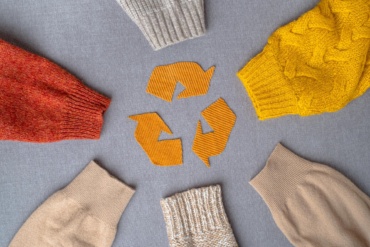
Why Recycling Clothes is Good for the Environment

Did you know that the average American gets rid of 81 pounds of clothing each year? We live in a consumer-focused society, and many people are always updating their closets with the latest styles and fashions. While there is nothing wrong with having nice clothing to wear, textile waste is a growing concern that is impacting the environment.

If you are looking for ways to keep your old clothes out of landfills, then consider recycling or donation options instead. Clothing recycling offers a simple and effective solution to conserve resources and minimize waste, helping to reduce the impact on the environment.

Here are a few of the reasons why it makes sense to recycle old clothing instead of throwing it away:

Decrease Landfill Waste

There is a growing waste problem, with many areas trying to figure out the best ways to manage the never-ending waste coming into the landfills. Not only do discarded clothing and textiles take up a lot of space, but these modern fabrics don’t decompose well. In fact, some of the synthetic materials can take hundreds of years before they start decomposing. During this time, they are affecting the environment due to the toxic chemicals that are released.

Choosing to recycle clothing instead of throwing it away can be an effective solution to decrease the strain on our waste management systems.

Protecting Our Resources

There are several ways that clothing manufacturing affects our natural resources. Not only are the materials needed to produce the clothing, but the manufacturing processes require both energy and water resources.

When clothing is recycled and reused, it helps to reduce the demand for new production. As a result, it’s possible to save these limited resources and protect our environment at the same time.

Reducing Pollution and Greenhouse Gasses

It’s important to understand how clothing manufacturing affects the environment due to greenhouse gas emissions and pollution. During the production processes, greenhouse gasses are released because manufacturing is energy-intensive. Additionally, transportation to deliver the products to retail stores and home deliveries also results in greenhouse gas emissions.

There are also many chemicals and microplastics that are used in the textile manufacturing industry. These chemicals can harm the delicate ecosystems on our planet and also pollute waterways. Microplastics are shed when the clothing is washed, and these small plastic particles eventually end up in our water sources and food chain.

The Benefits of Clothing Recycling are Undeniable

There’s no question that clothing recycling is an excellent solution to promote a circular economy, save resources, and reduce environmental pollution. Instead of throwing their clothing away, everyone can do their part to choose donations, recycling, or upcycling as a better solution.

Written by Becki Andrus in partnership with Clearwater Butterfly Releases

Categories
Blogs

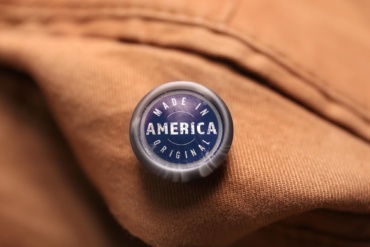
Are Clothes Made in the USA Better Quality?

When you are shopping for clothing, are you looking for labels that say “Made in the USA”? This label often sparks curiosity, but some consumers debate whether it matters if you are buying clothing made locally vs. international manufacturing.

If you spend money on American-made clothing, does it mean that you are getting a superior product? When you consider the arguments and ethical considerations, it’s easy to see why it might make sense to look for products that are made in the USA.

Made in the USA: Quality Matters

Here are some of the reasons why American-made clothing is often a preferred choice over products that are manufactured in a different country:

  • Labor Standards: In the United States, U.S. Labor Laws are in place to protect workers and ensure fair wages. Additionally, these laws ensure that workers are given safe working conditions and that the highest levels of ethics are maintained at all times. Often, these factors result in higher-quality products.
  • Quality Materials: When a brand is American-made, they pride themselves on the quality of the products they are delivering to consumers. This starts with sourcing high-quality materials. So, if you buy something that is made in the USA, then it’s likely that the item will offer better durability and longevity compared to other options.
  • Attention to Detail: The smaller production runs in the United States mean that manufacturers can pay greater attention to the details. Look at the overall construction, and you will see that these items have better stitching and finishing compared to products that are mass-produced overseas.

Other Benefits of Buying American-Made Products

There are other reasons why you might choose to buy American-made products. For example, some consumers feel good spending their money in places where they are supporting the local economy. Buying something that is made in the USA means that you are supporting domestic jobs, businesses, and the community.

Also, buying locally is a great way to reduce the environmental impact of your purchases. Transportation distances are shorter, which helps to decrease pollution and your carbon footprint.

Is it Worth the Cost?

One hesitation that some people have about buying products made in the USA is the price differences. The reality is that buying a product manufactured locally often comes with a higher price tag since material sourcing and labor costs are higher.

But don’t forget to look at the long-term value. You’ll get a higher cost-per-wear for each item that you purchase. Investing in durable, long-lasting items actually saves you money in the long run.

Written by Becki Andrus in partnership with silver wholesaler Silver Superstore.

Categories
Blogs

THE ROLLOUT OF BED NEW TREND! ANYTHING GOES!

Just when I thought fashion trends had reached the literal bottom of all trends with the all-day leggings trend that stays on from the gym to changing tops for lunch and dressier tops for dinner! Now we have the fall out of bed in PJ bottoms and shrunk tank top and out the door! For me, the plaid PJ bottoms that don’t match on seams are THE WORST!

Even Chanel has joined this casual trend that @KrisJenner has endorsed. Jenner was spotted wearing the colorful two-piece set, which features splashy purple, blue and pink flowers, and the famous double-C logo while stepping out for Paris Fashion Week. She wore the round-necked Embroidered Printed Neoprene Jacket buttoned up, while she showed off matching shoes in the same print, which peeked out below the wide hem of her matching pants.

@KimJenner

But, I must be getting old as my granddaughter gave me a very dirty look when I voiced my opinion on this over-casual trend. On these models the style doesn’t really look as bad as my daily views of this overly casual trend. Many who do choose to adopt this trend should really get some styling advice from an expert to see the most advantageous way to wear this overly casual style. I have lived through wearing miniskirts, hotpants, wide puffed-up shoulders and each trend had their own draw backs. These days you can wear whatever you feel comfortable wearing as today’s trends are much more a casual choice and for the most part, good and bad you can merchandise yourself in your own stylish manor to create your own fashion trend! This also means that vintage is also incorporated into styles.

All this means that there are no real trends that are being dictated and faithfully followed as years past, besides these stylish PJ’s. This and other changes have resulted in the collapse of many brands and brick and mortar stores. Buying online direct from brands has also impacted the bricks and mortar stores who are scrambling to recreate and adjust to these evolving industry trends and challenges. For the buyer it is a positive change as buying direct from a brand cuts the normal retail mark up of 120%.

But the good news is that second hand and vintage are good stories for the recycled and upcycle sustainable trend. Bottom line is that we can choose to wear whatever we feel like wearing each day.

70’s Hot Pants and 60’s Mini dress. Both could and are being worn today.

Categories
Blogs

70’s hot pants and 70’s mini dress.. New Trend!

Categories
Blogs

Teaching New Graduates to Balance a Checkbook

Balancing a checkbook might seem like an outdated skill in today’s digital age, but it’s a crucial financial habit for young graduates entering the workforce. Understanding how to track expenses, manage a budget, and ensure accurate account balances can prevent overdrafts and financial stress. Here’s a brief, basic guide to help new graduates master the art of balancing a checkbook!

Understand the Basics

Balancing a checkbook involves recording all transactions that affect your checking account balance. This includes deposits, withdrawals, checks written, debit card purchases, and any fees or interest applied to the account. The goal is to keep an accurate record so you always know how much money you have available.

Gather Necessary Tools

To get started, you’ll need a few basic tools:

  • A checkbook register or a spreadsheet.
  • Your most recent bank statement.
  • A calculator or a financial app that can help you track transactions.

Record Transactions

Each time you make a transaction, record it as soon as you can. This includes writing down the date, description, and amount of each transaction. If you’re using a checkbook register, there are columns for each of these details. For digital tracking, a spreadsheet or financial app will have similar fields. Consistently recording transactions helps you stay on top of your finances and prevents missed entries.

Compare Your Records to Your Bank Statement

At the end of each month, compare your recorded transactions with your bank statement. Check off each transaction that matches between your records and the statement. This process helps identify any discrepancies, such as forgotten entries or unauthorized transactions.

Adjust for Outstanding Transactions

Sometimes, transactions might not appear on your bank statement immediately. These are called outstanding transactions. Common examples include checks that haven’t been cashed yet or recent debit card purchases. Make a note of these outstanding transactions and adjust your balance accordingly. Subtract outstanding checks or add deposits that haven’t cleared to your checkbook balance.

Reconcile Your Account

After accounting for all transactions, compare the adjusted balance in your checkbook with the ending balance on your bank statement. These two figures should match. If they don’t, double-check your entries for any errors, such as transposed numbers or missed transactions. Correct any mistakes and recalculate the balance until both totals align.

Monitor Regularly

Balancing your checkbook isn’t a one-time task. Make it a habit to record transactions and reconcile your account regularly. Doing so weekly or bi-weekly can prevent small errors from becoming significant issues. Regular monitoring also helps you stay aware of your spending patterns, making it easier to manage your budget and save money.

Use Technology to Your Advantage

While traditional checkbook balancing is manual, leveraging technology can simplify the process. Many banks offer apps that automatically categorize transactions and provide real-time balance updates. Personal finance apps like Mint or YNAB (You Need A Budget) can also help track expenses and budgets, providing a digital checkbook register.

Balancing a checkbook might seem tedious, but it’s a valuable skill for financial management. By understanding the basics, recording transactions diligently, and regularly reconciling your account, you can maintain control over your finances. For new graduates, mastering this skill will pave the way for responsible financial habits and a more secure financial future.

Written by Jack Vale

Categories
Blogs

The Original Sustainable Recycling/Upcycling –THE PATCHWORK QUILT!

Frances Harder – Fashion for Profit Consulting

The history of the Patchwork Quilt, or at times referred to as simply quilting can be found in many cultures going back to ancient Egypt, ancient and medieval India, and Chinese civilization among many other cultures. The word “quilt – can be linked to the Latin word “culita”, meaning a type of cushion that seems to have been first used in England in the 13th century. There are many examples of this very sustainable artistic form of upcycled expressionist. The patchwork tradition is found in many different cultures that go way back to ancient times and have derived in many separate forms of expressionism in these very remote cultures. Bedouin women joined fabrics strips together to make tents. West Africa patchwork can be found made into umbrella and ceremonial clothing for festive occasions. Patchwork quilts were also made to be included in the trousseau of Indian brides and battle dress of North Africa warriors.

Although the many forms of patchwork art is global, the American pioneer women of the 19th Century have won the fame of achieving its place as maybe having the honor of being the richest. But there are many other cultures that have also created their own patchwork art form. My big favorite is the Mole– reverse applique from Cuna Indians, San Blas Islands. The Bottle top quilts are also amazing examples of the intricate art of recycling fabrics.

1.      Traditional Patchwork: This involves sewing together fabric pieces to create geometric patterns or designs. Common techniques include piecing squares, triangles, and rectangles together to form blocks, which are then assembled into a quilt top.

2.      Crazy Quilting: Originating in the Victorian era, crazy quilting involves stitching together irregularly shaped fabric pieces in a random or asymmetrical manner. Embellishments such as embroidery, lace, beads, and ribbons are often added to enhance the design.

3.      Appliqué: In appliqué patchwork, fabric shapes are cut out and stitched onto a background fabric to create decorative motifs or designs. Appliqué can be done by hand or machine and allows for endless creativity in incorporating various fabrics and shapes.

4.      English Paper Piecing: This technique involves basting fabric around paper templates and then hand-sewing the pieces together along their edges. It’s commonly used for intricate designs with small pieces, such as hexagons or diamonds. (Bottle Top uses this technique)

5.      Foundation Piecing: Also known as paper piecing or flip and sew, this method involves sewing fabric pieces onto a paper or fabric foundation. It’s particularly useful for achieving precise angles and complex designs.

6.      Improv Patchwork: Improvisational patchwork encourages free-form design and spontaneous piecing without the use of patterns or templates. It allows for experimentation with color, texture, and shape, resulting in unique and modern quilt designs.

7.      Quilt-As-You-Go: This technique involves quilting individual blocks or sections separately and then joining them together. It’s a great option for quilters who prefer to quilt smaller sections at a time or want to simplify the quilting process. This method is often used in knitted patchwork. Crochet quilts can also be created through this method.

8.      Strip Piecing: In strip piecing, fabric strips are sewn together to create larger units, which are then cut and rearranged to form blocks or quilt tops. It’s an efficient method for creating quilts with repeating patterns or designs.

9.      Fusible Appliqué: Similar to traditional appliqué, fusible appliqué involves adhering fabric shapes to a background fabric using fusible web instead of stitching. It’s a quicker alternative that’s often used for appliqué projects with simple shapes.

10.    Patchwork Embellishments: Beyond traditional patchwork techniques, embellishments such as fabric painting, stamping, or stenciling can be incorporated to add unique details and textures to patchwork projects.

Each type of patchwork offers its own set of techniques, challenges, and opportunities for creative expression, allowing quilters and crafters to explore a wide range of artistic styles and aesthetics.

Many retailers are working to include recycling and to eliminate plastic waste with non-plastic use. One of the newest retailers to embrace this in-depth topic is IKEA, who is collaborating to promote Eco use of recycling/upcycling with Nigel Xavier who has designed and created patchwork clothing and patchwork coverings for chairs and other furniture.  Then Nasim Lahbichi, who created plant-based IKEA dishes. So, we are entering another period of the art of patchwork.

These are some of the very exciting and innovating actions being introduced to try and prevent the massive textile and clothing waste that is discarded Globally. The results of which are not only polluting our earth but the amount of plastic waste that is discarded and then the billions of plastic particles are poisoning our fish and livestock, plus causing all types of cancer in humans. Hopefully, things will change for the better!

Here are a few of my own patchwork quilts in my possession. I have to say my big favorite at the Moles from the Cuna Indians from the San Blas Islands. Incredible hand work that are sewn by these native Indians using reverse Applica. Cutting a design and sewing contrast fabric below. I fell in love with their amazing work when sailing around their islands. I could not stop myself from investing in quite a few of which I have framed some and made cushions from others.

Categories
Blogs

Securing Your Fashion Enterprise from Cyberthreats

In the fast-paced world of fashion, where creativity meets commerce, the importance of cybersecurity can often be overshadowed by design and marketing concerns. However, as the industry increasingly embraces digital platforms for design, production, and sales, it becomes a prime target for cyber threats. In this article presented by Fashion for Profit, we’ll explore essential strategies for fashion businesses to safeguard their digital assets, ensuring that their flair for fashion isn’t dampened by digital disasters.

Invest in Employee Training

The first line of defense in cybersecurity is awareness. Regular training for all employees in cybersecurity best practices is crucial. This should cover the basics of secure password practices, recognizing phishing attempts, and safe internet usage. Since the fashion industry often involves a mix of permanent staff and freelancers or contractors, it’s vital to ensure that everyone, regardless of their role, is well-informed about the risks and their responsibilities.

Cybersecurity training should be an ongoing process. New threats and vulnerabilities emerge regularly, and employees must be prepared to recognize and respond to them. Training sessions can be conducted in-house or by hiring cybersecurity experts to provide workshops and seminars. Moreover, it’s important to tailor the training to the specific roles within the fashion industry. For example, designers should be educated about the risks associated with sharing design files online, while retail staff should focus on secure point-of-sale practices.

Wi-Fi and Data Security

Fashion houses and retailers often overlook the security of their Wi-Fi networks. Secure Wi-Fi networks, especially in public or shared spaces like showrooms or retail stores, are critical. Implement encryption protocols like WPA3 to protect sensitive data transmitted over these networks. Additionally, sensitive data stored on computers and servers should be encrypted to prevent unauthorized access, even in the event of a breach.

Public Wi-Fi networks are notorious for their lack of security. When fashion professionals travel for events, they often connect to public Wi-Fi in hotels, airports, or cafes. This convenience can be a double-edged sword, as cybercriminals can easily intercept data on these networks. Therefore, employees should be trained to avoid using public Wi-Fi for work-related tasks unless they are connected via a virtual private network (VPN) that encrypts their internet traffic.

Head Back to the Classroom Online

The fashion industry is no stranger to the ever-changing landscape of cybersecurity threats. To stay ahead, professionals in the field should remain informed about the latest threats and trends. One innovative approach is to explore online cybersecurity programs offered by reputable online universities. This commitment not only cultivates in-depth expertise within the organization but also showcases a dedicated commitment to digital security.

In addition to online cybersecurity programs, attending cybersecurity conferences and webinars, subscribing to industry-specific cybersecurity publications, and actively engaging in relevant forums or communities can further empower fashion professionals to stay updated on the latest threats and best practices. Networking with cybersecurity experts also opens doors to valuable insights and knowledge-sharing opportunities.

Managing Data Access

Implement strict access controls to limit who can access sensitive data. This means setting up user permissions and roles within your IT systems to ensure that only authorized personnel have access to critical information. For instance, design files, customer databases, and financial records should not be universally accessible. Using multi-factor authentication can add an extra layer of security.

Furthermore, you should regularly review and update access permissions. When employees change roles or leave the organization, their access should be promptly adjusted or revoked. Failure to do so can result in unauthorized access and potential data breaches.

Committing to Regular Audits

Regular security audits and assessments are like the critical reviews of a new collection; they help identify potential vulnerabilities in your systems. Engaging external cybersecurity experts to conduct these audits can provide an unbiased view of your security posture. These audits should cover everything from network security to employee access protocols.

Security audits typically involve a comprehensive examination of your organization’s cybersecurity infrastructure and practices. This includes vulnerability scanning, penetration testing, and a review of security policies and procedures. The findings from these audits can help fashion businesses prioritize security improvements and allocate resources effectively.

Preparing an Incident Response Plan

Despite the best preventive measures, cyber incidents can still occur. Developing and regularly updating an incident response plan ensures that your business can respond quickly and effectively to mitigate damages. This plan should include steps for isolating affected systems, communicating with stakeholders, and reporting breaches to relevant authorities.

An incident response plan ensures that employees know what to do in case of a cybersecurity emergency. It should outline the roles and responsibilities of individuals involved, including IT staff, legal counsel, and public relations personnel. The plan should also specify the steps for notifying affected parties, like customers, and comply with any legal requirements for data breach reporting.

Securing Digital Archives

Regularly backing up data and systems is like having a backup for your runway show — crucial for when things don’t go as planned. Ensure that backups are made frequently and stored securely, ideally off-site or in the cloud. This practice not only protects against data loss from cyberattacks but also from physical threats like fires or floods.

Backups should be automated whenever possible to ensure consistency and reliability. Fashion businesses should consider using a combination of on-site and off-site backups to minimize the risk of data loss. Regularly testing the restoration process ensures that backups are functional and can be relied upon in case of a data disaster.

Cybersecurity in the fashion industry is non-negotiable. It’s not just about safeguarding data; it’s about preserving brand reputation, customer trust, and the essence of creativity that fuels the industry. By implementing these strategies, fashion businesses can not only defend themselves against cyber threats but also gain a competitive edge in an industry where reputation and trust are as vital as the latest trends.