We will post articles on fashion, fashion tech, and health. We will cover other topics as well, let us know the topic you are interested in. Thank you!
A Permanent Tattoo, or is it called Permanent Body Graffiti – .
Why, oh why does anyone do this? OK paint yourself but why make it permanent? Hello! It will be there for the rest of your life; through good and bad times, thick and thin body changes, young elastic skin to old and floppy loose skin!! My over active mind boggles at the many changes the tattoo will morph into and through.
I went for lunch with a friend last week and as I sat down this pleasant looking waitress came to take our orders. I must first clarify that I have seen most things in my varied life time of experiences and even if I have chosen not to do them, I can for the most part ignore most things as long as no one is being hurt. But I have to admit I was taken off guard when I was confronted with the waitress’s hands and fingers. TART was tattooed across both sets of her fingers! She had other tattoos up her arm and other part of her body that I could see where her skin was exposed. I think I have grown accustomed to, or desensitized to seeing tattoos in these other body places. But why would a nice looking young woman choose to have TART indelibly engraved across her fingers? If you really are driven to have a tattoo on your hand then why not choose something pleasant or fun like a flower or a dogs face. It was hard for me not to ask her why she did this horrible thing to herself.
I have to admit I am a committed hater of tattoos of any kind and really cannot understand why anyone would choose and then pay to have them become a lifelong bill board of stupidity! I really have not seen one person whose looks were improved by having a tattoo.
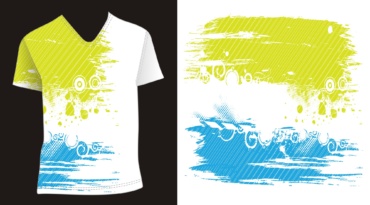
A trend is a trend that changes constantly but if you say that having a tattoo is a trend then it will rapidly go out of fashion when it is replaced by a new trend. Like Ed Hardy you can donate those not so trendy tattoo art t-shirts but that is not an option with a permanent body tattoo. I think as a mother I would have cut my kids off from any support if they had come home with any type of tattoo; large or small on any part of their body. Ear piercing OK, they can be removed at any time but a TATTOO!!
There are numerous questions to ask yourself before you undertake a venture involving the fashion industry, which is famous for its complexities and failures. You should try to answer these questions and analyze the answers with a trusted friend or family member. Many of the answers to the questions will be covered in my book, Fashion For Profit and it is a fact that some of the questions will be quite taxing and stressful to fully answer.
Do I have what it takes to own and to manage a small business? Some questions to ask yourself are:
Am I a self-starter?
How good am I at making decisions?
Do I have the physical and emotional stamina to run a business?
How well do I plan and organize?
Are my attitudes and drive strong enough to maintain motivation?
How will the business affect my family?
Have I researched the market completely?
You may have developed your new product due to the realization that there is a need for this product and that’s a good start. You should still spend the time to research the stores or markets you wish sell. Shop in a variety of neighborhoods and compare the customers, price points and products. Investors will want to see that you have done your homework and that you know and understand your target market.
What price bracket will my clothing line fall into?
After researchingthe market, you will have a bettercomprehension of this question. It goes without saying that starting any business requires money. It costs money to develop the product and it requires money to produce the product. You may be lucky enough to get a loan from somewhere, but loans are not easily come by for a new company. No history of past success to evaluate whether your new company will be able to repay a loan. Also, you do not want to put yourself into too much debt at the start of your new venture. Plan to build slowly and with as little borrowed money as possible.
What legal aspects do I need to consider?
A bank account with company checks will be the first thing to consider. There will be licenses required, zoning laws and other regulations varying from business to business, and state to state. You will need to consult your attorney or SBA (Small Business Association) for advice specific to your business arrangement and State. You must also decide about your form of organization (corporation, partnership or sole proprietorship) for your tax status. You will have to register your fictitious name, which is the new name for your company, if other than your own name (bad idea).
Would a partner(s) make it easier to be successful?
A business partner does not necessarily guarantee success. If you require additional management skills or start-up capital, engaging a partner may be a good decision. The ultimate success of a partnership will be determined by their ability to give technical or financial assistance as well as personality and character.
If you have a partner, do you know him or her well enough to operate a business together? Like any close relationship working in close proximity can often lead to conflict between “good friends”. Define the jobs to be done by each partner by making a list of jobs, and dividing them up. It is better to choose a partner who has other skills from yours and who can complement your own skills.
Should I hire a family member to work for me?
Frequently, family members of the owner “help out in the business.” For some small business owners, it is a rewarding experience; for others it can cause irreparable damage. Carefully consider their loyalty and respect for you as the owner-manager.
Is it possible to keep family and business decisions separate?
If you borrow money from a family member remember that they are loaning money because of their relationship with you, and not because of the products worth. When you borrow money from an institution they loan money on the product developed by you, and the collateral that you provide. (When dealing with a family member you are their collateral! They areinvesting in the person, not the product.) How much money do I need to get started?
I don’t think this statement is usually something that is said or heard when clothing is purchased. However, with the changing times, and with the new demands for all things sustainable, social justice for workers, domestic production and on demand production for smaller orders the cost to produce a garment will increase. All these demands will and must be recognized by the manufacturer, the retailer, and the end consumer. The consequences of the price increase will, with time be recognized by the end consumer who needs to be educated about why there is an increase in their price tag. Hopefully, consumers will begin to appreciate the reason for these new demands and happily pay a realistic price for the work that goes into the production of each article of clothing. Interestingly, all these demands and changes were already in the works but have now been accelerated due to the pandemic. I feel optimistic that the Millennials and Ganz’s who seem, for the most part to be more environmentally concerned will understand these price increases.
So, why are these demands affecting the price tag?
Sustainable Demands Incorporate Many Things:
Recycled fabrics and clothing that can be repurposed or resold as used clothing. This of course takes more time to either repurpose both clothing and fabric. Either they are shredded and respun and woven, or clothing can be redesigned into new clothes for resale. This means that the used or unsold clothing would be individually restyled which is comparable to couture clothing as they are dealing with different styles.
Repurposing of fabric scraps, which are normally discarded into landfills are now being used for other products such as rugs, or small soft toys are a few solutions I have heard about. Or, shredding and respun to be woven into new fabrics.
Organic cotton and other organic fibers are also in big demand.
The demand to use less water for denim production is now incorporating laser and oxidization to give the denim the washed look. This saves valuable water and stops the pollution for rivers and other water ways.
The use of biodegradable dyes used for fibers, fabrics, garment, and printing.
No plastic use for wrapping and tags. The oceans are over full of plastic and killing fish and other sea life.
Domestic production to support U.S. workers and the economy.
Social Justice for Workers:
Slave labor conditions, bad working conditions with few breaks, low wages, long days six days a week to name a few. Workers’ rights are also a demand and the implementation to improve workers’ rights are necessary for factories to get the certifications they need in order to sell into the US and other western countries. Sitting in diapers and some stories of machinist chained to machines. Then the horrors of devastating factory fires with no proper escape routes available for the workers. These human rights changes had to be implemented, which of course costs the owners money. The consequences of these much-needed changes have and should increase the production costs of apparel. California and to some degree NY state implemented these changes in the early 1990’s. Manufacturers and contractors must take a test and pay an annual fee in order for them to be awarded the certificate to produce apparel. This has made it difficult for domestic manufacturers to compete with the cheap labor offshore. But hopefully “the times they are a changing!”
Domestic or Near Shore Production:
To save on the pollution created with container shipments of goods.
Supporting domestic manufacturing and the demand for this, plus it is a good branding process. This I feel has been long overdue.
California was at one time such a very vibrant apparel manufacturing center. Unfortunately, due to the lack of investment in our domestic infrastructure and the demand for cheap clothing most clothing production went offshore. This is very tragic, and I truly hope it can be turned around before it is too late. But this means a BIG investment in planning and restructuring the infrastructure. Old buildings with out-of-date elevators, allies behind the factories for loading and unloading are too narrow for today’s trucks.
One good example of what can be achieved domestically is Los Angeles Apparel that is owned and operated by Dov Charney, who originally owned American Apparel. He has worked with a very thoughtful and innovating consultant Marty Bailey who has the workers wellbeing and their social justice very much in his plans. He implemented modular, or team manufacturing, which is such a brilliant move. A team of four to six workers work together to sew their garments. Rather than sitting all day sewing one part of the garment teams work together to create one garment and these teams are rewarded on their work they turn out and are paid rather than on piece work they are rewarded on their efficiency of garments made. They even stamp a picture of the person who sewed the t-shirt into the back of the garment.
On Demand for Smaller Orders or Even Individual Orders:
On demand is also about sustainability and all the very exciting developments for sustainability. Each garment can be made specifically for each customer’s body type based on their own measurements. The body is scanned, and the patterns adjusted to the customers body type.
Tech companies such as Tukatech & Lectra have amazing technology to scan a body and make the necessary changes to the pattern to fit each customer’s individual size, or even make styling changes.
These new developments for on demand really save on sampling and over production that typically would end up in a landfill.
All of the above points if implemented can really help with all aspects of producing sustainable clothing. Saving on the over production of clothing is much needed, as I noted above that all too often unfortunately end up in the over full landfills.
However, in order for a company to implement all, or some of these changes it will take good planning and a budget to incorporate these changes. It will also require larger companies to adjust their minimum orders downwards as buyers are being far more cautiously and buying smaller quantities more often. For the smaller companies who tend to be nimbler these changes could be implemented more easily. But the result for these needed changes will be that the cost of clothing will undoubtedly need to increase. The end consumer will need to understand these changes and respect the amount of work that goes into producing fabrics and creating garments.
Hi Kim, thanks for joining us today. Let’s kick things off with your mission – what is it and what’s the story behind why it’s your mission?
Our mission at Prickly Pear Sports is to give active women – and women who long to be active again – a way to run (jump, laugh, lift, sneeze) with confidence. without distraction, and without fear of embarrassing bladder leaks caused by SUI.
When I began my entrepreneurial journey, my primary interest was to address a problem that up to 50% of women deal with – we accidentally pee when we run (or sneeze, laugh, or jump – you name it.) This is called stress urinary incontinence, or SUI, and typically shows up during pregnancy, postpartum, or after menopause. As an avid sprint triathlete, I was struggling during my training runs. I couldn’t run a lap around the track without soaking my shorts, and the embarrassment was enough to make me think about quitting. I tried everything on the market, and nothing met my expectations. I wanted a washable (not disposable) product geared toward athletic women. Something that actually absorbed and concealed urine leaks so I could continue to train with confidence.
Just because SUI is common, it is not normal, and up to 20% of women who suffer from it drop out of physical activity altogether. Because of the embarrassment, they are reluctant to address it, waiting an average of 7 years before they even broach the subject with their doctors. Pricky Pear Sports is out to change that! We encourage women to seek treatment from a pelvic floor physical therapist or urogynecologist and to stay active (and look great!) while they’re at it. That’s the story behind our mission.
Awesome – so before we get into the rest of our questions, can you briefly introduce yourself to our readers.
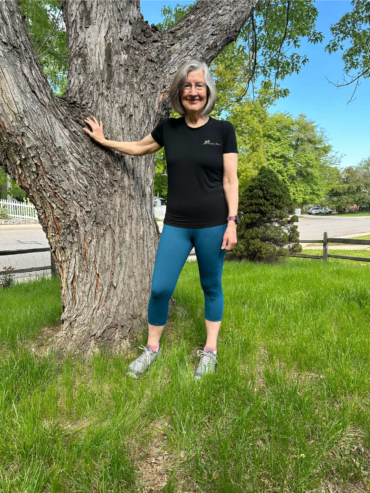
In 1976, I embarked on my first long distance bicycle tour – a 4300-mile cross-country journey from Virginia to Oregon. It was an experience of a lifetime. At the end of the tour, I settled in Boulder, CO, and then “life” happened: graduate school, marriage, kids, and a long career in healthcare administration. I was in my early 50’s when my daughter talked me into doing a sprint triathlon, a women-only fundraiser for breast cancer research. “How hard could this be?”, I thought. After all, I used to bike much longer distances. Well, it was humiliatingly hard. I got through the swim and the bike legs okay, but I could barely make it through the run. Undaunted, I vowed to return the following year and to actually train in the meantime. I did much better, and found I had caught the sprint triathlon bug and was hooked!
As I began to train more seriously, I started experiencing annoying bladder leaks. But rather than give up, I started researching what other women were doing about it. Surely there must be an effective solution out there! I tried everything. Disposable pads (a non-starter), washable incontinence underwear (better, but too bulky), and athletic wear with those tiny patches of terry cloth in the crotch that totally miss the mark!
I continued to complain about it until one day my daughter said, “Mom! How about you do something about it?”
“Huh”, I thought, “do you think I could?” I had recently retired, had the time, and was looking for something challenging to do with this new chapter of my life. So yes, I was sure I could.
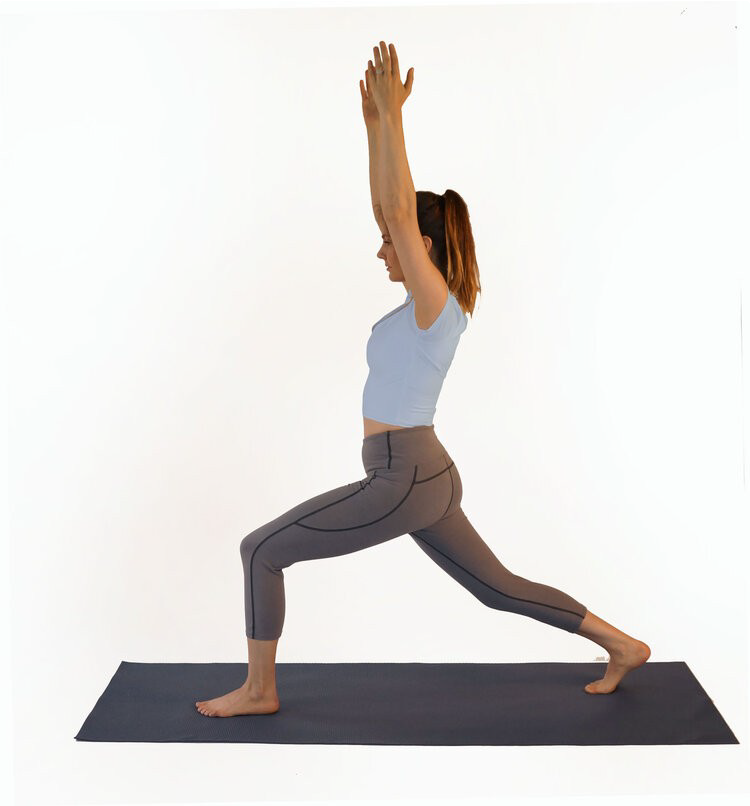
I tried to sew up a prototype myself but that didn’t exactly go well. Thankfully, I found someone locally who had commercial sewing experience. Since I knew nothing about the industry I was about to get into, she advised me to attend a trade show to learn about fabric types and suppliers, manufacturers, and other aspects of production. I left with my head spinning. Fortunately, I also left with the contact information for Frances Harder, industry expert and owner of Fashion For Profit, whose seminars I had attended. Back in Boulder, I realized that I needed more expertise than I had on hand, so I called Frances and asked for her help. I flew out to LA with my early prototypes. She gently suggested I should start over, and referred me to a designer/manufacturer who worked with start-ups. After a few short weeks, I had prototypes for running shorts and leggings that I was confident my prototype testers would like. They did, and Prickly Pear Sports was launched!
I’m proud of having entered an industry I knew absolutely nothing about, meeting and accepting the advice and encouragement from people who took me under their collective wings (thank you Frances Harder and Carlo Gholami), and turning it into a product that will help women reclaim their love of physical activity. Prickly Pear Sports isn’t just a product company. Our mission is to give women a way to return to sport with confidence, without embarrassment, and without fear.
Are there any books, videos or other content that you feel have meaningfully impacted your thinking?
As a “solopreneur”, I rely on the experience and expertise of people who have “been there, done that” to overcome obstacles, whether those are self-imposed (like procrastination) or externally driven (like COVID). The one book I return to when I’m stuck is How I Built This: The Unexpected Paths To Success From the World’s Most Inspiring Entrepreneurs by Guy Roz. He dedicates his book to “builders and those dreaming of building”. It is not a how-to book, but one filled with the stories, struggles, successes, and failures of entrepreneurs who have persevered while pursuing their dreams. At the end of each reading, I feel validated, hopeful, and proud of what I’ve accomplished.
How about pivoting – can you share the story of a time you’ve had to pivot?
Stress urinary incontinence (SUI) is very common among women across the age and fitness spectrum, so I figured I’d find clients where active women hang out – at my local running
store, CrossFit studio, triathlon club, or gym. I first approached local running stores to see if they would help me promote my apparel. Although all of them thought my shorts and leggings were brilliant and needed, none of them were willing to give me shelf space. The
reason? They weren’t in the business of selling an “incontinence product”. And I thought I was in the women’s health and fitness business!
Through the marvels of social media, I connected with a woman who is a pelvic floor physical therapist. I never knew there was such a discipline, so I reached out to her for more information. I discovered that, while individual women weren’t talking about SUI on social media, pelvic floor PTs certainly were! One thing led to another, and Prickly Pear Sports started sponsoring pelvic floor PT/OT conferences. I have partnered with Kate Weed, a local pelvic floor PT, to talk to women’s groups about how physical therapists can address the underlying cause of SUI, and Prickly Pear Sports can help women stay active while they’re getting treatment. It’s a great partnership and a more consistent source of referrals and new customers.
How much does your wardrobe change when the weather gets colder? Many business professionals have two wardrobes: office clothing for the warmer months and office clothing for the winter season. As the seasonal changes are setting in, it’s time to evaluate your cold weather styles and see if any updates are needed for your winter wardrobe this year.
Cold Weather Styles You’ll Love
Here are a few of the trendiest cold-weather styles we’re going to see in the office this winter:
Straight-Leg Pants & a Stylish Sweater: All men and women need a classic pair of straight-leg slacks. These pants can be paired in many different combinations. Choose a neutral color like black or navy, then have a variety of cute tops you can rotate through. Add a bit of jewelry and a few shoe options, and you can create endless combinations.
Wide-Leg Trousers and a Long Jacket: Have you noticed that the wide-leg look is coming back into style? This cut is a relaxed fit and helps to elongate the appearance of the legs. Finish the outfit with a button-up collared shirt and a long, stylish jacket. Both men and women should have at least 1 mid-thigh or knee-length jacket in their wardrobes.
Knee Length Dress and Tall Boots: Women: just because the weather is getting cold doesn’t mean that your dresses must be stored away. Often, summer dresses can be layered with other clothing to create a classic style. Add a sweater over the dress. Put on a pair of cute tights and use knee-length boots to keep your legs warm.
Suit and Leather Shoes: This classic combination will never go out of style for men. If you are heading to an important meeting, dress the part by wearing a fitted suit. The right pair of leather shoes will make the outfit “pop” and show your clients or colleagues that you are a professional.
Even though professional office clothing can be an investment, building a comfortable and stylish closet is worth the cost. When you have the right clothing, it sets your mindset to be more productive and effective in everything that you are doing throughout the workday.
–Written by Becki Andrus in partnership with designer furniture retailer Bauhaus 2 Your House
Traveling by air offers the promise of new adventures and experiences, but it often comes with the challenge of staying comfortable during long flights. However, who says you can’t look stylish while feeling at ease on your flight? We’ve curated a list of fantastic outfit ideas for both men and women that strike the perfect balance between style and comfort. Let’s dive in and discover your ideal air travel attire!
Athleisure and Activewear. For both men and women, the athleisure trend has become a go-to choice for air travel. Pairing comfy joggers or leggings with a stylish sweatshirt not only provides unrestricted movement but also keeps you cozy throughout the journey. Add a pair of sleek sneakers to complete the look, and you’re ready to conquer the skies in style!
Chic Travel Dresses. Consider slipping into a maxi dress made from a soft, breathable fabric. This effortless option not only looks graceful but also allows you to move freely in the tight space available on planes. Layer with a light cardigan and wear slip-on shoes to maintain a sophisticated yet comfortable appearance.
Tailored Comfort for Men. For gentlemen who prefer a polished look, opt for well-fitted chinos or other travel-friendly trousers. Combine them with a relaxed-fit button-down shirt in a wrinkle-resistant material. Loafers or slip-on shoes complete the outfit, providing comfort without sacrificing style.
Cozy Layers for All. Layering is the key to adapting to varying cabin temperatures! Start with a comfortable base layer like a soft tee or tank top. Top it off with a lightweight sweater or a stylish jacket. This way, you can easily adjust your clothing to stay cozy when the plane’s temperature fluctuates and the air conditioning gets switched on and off.
Functional Accessories. Both men and women can enhance their travel outfits with functional accessories. A spacious tote bag or backpack not only complements your attire but also serves as a convenient carry-on for essentials. Don’t forget a versatile scarf – it can be used as a blanket or neck pillow during the flight.
Travel-Friendly Footwear. Choosing the right footwear is essential for comfort and style. Men can opt for slip-on loafers or comfortable sneakers that allow easy security checks. Ladies can choose stylish yet comfortable flats or ankle boots, ensuring a fashionable look without compromising on ease.
Wrinkle-Resistant Fabric. Opt for garments made from wrinkle-resistant fabrics. This ensures you step off the plane looking as fresh as when you boarded. A simple yet elegant blouse or a wrinkle-free button-down shirt is an excellent choice for both men and women.
Your choice of travel attire should reflect your personal style while keeping comfort at the forefront of your mind. By selecting the right pieces and paying attention to fabric choices, you can glide through the skies in style and make your journey comfortable from takeoff to touchdown!
As the leaves begin to change and the air turns crisper, it’s time to update your jewelry collection to match the enchanting Fall season. This 2023 season, jewelry trends are all about making a statement and adding a touch of warmth to your ensemble. We’ve rounded up some of the most captivating jewelry options that are sure to be your go-to accessories for the upcoming season.
Chunky Chains and Bold Links
This fall, it’s all about embracing the power of chunky chains and bold links. Whether adorning your neck, wrists, or ears, oversized chains are stealing the limelight. Layer multiple chunky chain necklaces for an edgy yet elegant look that commands attention. For added flair, consider mixing metals or incorporating statement pendants into the mix. Bracelets and earrings featuring bold links are also a fabulous way to infuse a touch of drama into your Fall outfits!
Vibrant Gemstones and Jewel Tones
Get ready to shine like a diamond this fall by incorporating vibrant gemstones and rich jewel tones into your jewelry collection. Deep emeralds, rich rubies, and luxurious blue sapphires are making a grand entrance. Look for cocktail rings, statement necklaces, and elegant drop earrings adorned with these dazzling gemstones. These jewel tones perfectly complement the warm and cozy colors of fall fashion, adding an opulent touch to your look.
Sculptural and Organic Designs
Embrace the beauty of nature with jewelry pieces featuring sculptural and organic designs. From abstract leaf motifs to flowing, curvaceous shapes, these pieces capture the essence of autumn’s natural beauty. Opt for earrings that mimic the delicate forms of leaves or necklaces with intricate twists and turns that evoke the winding paths of fallen foliage. These pieces offer a unique and artistic touch to your ensemble.
Modern Pearls with a Twist
Pearls have undergone a modern makeover for Fall 2023. The classic gem is now reimagined with unexpected placements, sizes, and colors. Look for asymmetrical pearl earrings that add an avant-garde flair to your look. Baroque pearls, with their irregular and unique shapes, are also gaining popularity, offering a contemporary take on a timeless favorite. Don’t be afraid to experiment with pearls in unexpected ways to make a chic statement!
These Fall jewelry trends are all about embracing boldness, elegance, and the captivating spirit of the season. Whether you’re drawn to chunky chains, dazzling gemstones, nature-inspired designs, or modern pearls, there’s a trend that will perfectly complement your style. So, get ready to equip yourself with these mesmerizing pieces and make a statement wherever you go this Fall 2023!
–Written by Jack Vale in partnership with silver wholesaler Silver Superstore.
The worlds of fashion and interior design have long been intertwined, drawing inspiration from each other to create beautiful pieces of art. Just as clothing trends evolve seasonally, so do interior design trends. This reflects the ever-changing tastes and preferences of consumers. The bond between fashion and interior design is a fascinating phenomenon that showcases the undeniable influence these creative industries have on each other.
How do these two sectors influence one another?
Color Palette Harmony: One of the most obvious ways fashion influences interior design is through the shared color palette. Fashion designers often set the tone for upcoming color trends, which interior designers then incorporate into their schemes for home decor and furnishings. Whether it’s the Pantone Color of the Year or a specific hue spotted on the runways, these colors find their way into interior spaces, creating a seamless connection between what we wear and how we decorate our homes.
Texture and Materials: Fashion designers experiment with various textures and materials to add depth and visual interest to their collections. These same materials and textures find their way into interior design elements such as upholstery, rugs, and accent pieces. The softness of cashmere, the sleekness of leather, or the richness of velvet can all be experienced both in our wardrobes and in our living spaces, creating a sense of tactile continuity.
Patterns and Prints: Bold patterns and prints are signature elements in both fashion and interior design. The use of stripes, florals, geometrics, and other patterns can be seen on clothing and then translated into interior textiles like wallpapers, curtains, and cushions. These patterns can add a dynamic flair to both personal style and home decor.
Architectural Inspirations: The relationship between fashion, interior design, and architecture is undeniable. Fashion often takes inspiration from iconic architectural landmarks, and this influence can be seen in both fabric patterns and clothing silhouettes. Similarly, architectural elements and designs find their way into interior spaces, defining the overall style and structure of a room.
Seasonal Trends: Just as fashion collections follow seasonal trends, interior design also experiences seasonal shifts. Lighter fabrics and bright colors dominate in the spring and summer, while cozy textiles and warm tones take center stage during autumn and winter. This cyclical nature of trends ensures a continuous interplay between fashion and interior design.
Personal Expression: Both fashion and interior design provide opportunities for personal expression. Our clothing choices and home decor reflect our individual tastes, lifestyles, and personalities. This shared aspect of self-expression allows for a seamless integration of fashion trends into home design, creating spaces that feel authentic and personalized.
Building a robust brand presence is pivotal in today’s highly competitive business environment. We will explore some key branded materials your business should consider and how they can contribute to brand building.
1. Business Cards
Despite living in a digital age, business cards are still essential branded material. They are tangible, easily distributable, and provide a sense of professionalism. Ensure your business card reflects your brand ethos by incorporating your logo, brand colors, and typography.
2. Website
Your website is your brand’s digital home. It should reflect your brand’s personality and core values and offer an intuitive user experience. Consistent branding across your website, from color schemes to fonts, enhances credibility and customer loyalty.
3. Email Signature
An often overlooked yet crucial branding element is the email signature. It should include your logo, contact information, and links to your social media platforms. An email signature reinforces brand awareness each time you communicate with your audience.
4. Social Media Graphics
A consistent branding approach across social media reinforces your brand identity. Use branded visuals like banners, profile images, and posts that reflect your brand colors, fonts, and tone of voice.
5. Packaging
If your business sells physical products, your packaging should carry your brand identity. Unique, branded packaging enhances the customer’s unboxing experience and makes your product more memorable.
6. Promotional Products
These can range from t-shirts and pens to reusable bags and water bottles. When branded with your logo and colors, these items constantly remind your customers of your brand and can be an effective marketing tool.
7. Signage and Banners
Signage and banners can attract attention and create a lasting impression, whether at a trade show or your business location. They should be designed to be consistent with your brand identity.
8. Stationary
Letterheads, envelopes, and notepads branded with your logo and colors create a professional appearance and reaffirm your brand in all your business communications.
The choice of branded materials will depend on your business model, audience, and budget. However, consistency is key. It’s not just about having a logo or branded merchandise but ensuring these elements are harmoniously aligned to create a cohesive brand image.
Investing in branded materials is more than just a marketing strategy. It is a commitment to building a strong brand identity that resonates with your audience and stands the test of time. This may require an initial investment, but the returns in terms of brand recognition, loyalty, and, ultimately, sales can be immeasurable.