Categories
Blogs

What Types of Branded Materials Does Your Brand Need?

Building a robust brand presence is pivotal in today’s highly competitive business environment. We will explore some key branded materials your business should consider and how they can contribute to brand building.

1. Business Cards

Despite living in a digital age, business cards are still essential branded material. They are tangible, easily distributable, and provide a sense of professionalism. Ensure your business card reflects your brand ethos by incorporating your logo, brand colors, and typography.

2. Website

Your website is your brand’s digital home. It should reflect your brand’s personality and core values and offer an intuitive user experience. Consistent branding across your website, from color schemes to fonts, enhances credibility and customer loyalty.

3. Email Signature

An often overlooked yet crucial branding element is the email signature. It should include your logo, contact information, and links to your social media platforms. An email signature reinforces brand awareness each time you communicate with your audience.

4. Social Media Graphics

A consistent branding approach across social media reinforces your brand identity. Use branded visuals like banners, profile images, and posts that reflect your brand colors, fonts, and tone of voice.

5. Packaging

If your business sells physical products, your packaging should carry your brand identity. Unique, branded packaging enhances the customer’s unboxing experience and makes your product more memorable.

6. Promotional Products

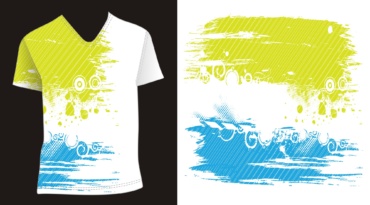
These can range from t-shirts and pens to reusable bags and water bottles. When branded with your logo and colors, these items constantly remind your customers of your brand and can be an effective marketing tool.

7. Signage and Banners

Signage and banners can attract attention and create a lasting impression, whether at a trade show or your business location. They should be designed to be consistent with your brand identity.

8. Stationary

Letterheads, envelopes, and notepads branded with your logo and colors create a professional appearance and reaffirm your brand in all your business communications.

The choice of branded materials will depend on your business model, audience, and budget. However, consistency is key. It’s not just about having a logo or branded merchandise but ensuring these elements are harmoniously aligned to create a cohesive brand image.

Investing in branded materials is more than just a marketing strategy. It is a commitment to building a strong brand identity that resonates with your audience and stands the test of time. This may require an initial investment, but the returns in terms of brand recognition, loyalty, and, ultimately, sales can be immeasurable.
Categories
Blogs

Learn More About Hemp-based Natural Fabrics

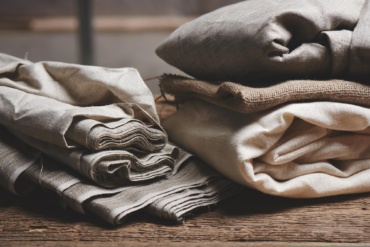
Hemp is one of the most versatile materials in existence. For years, hemp has been the go-to textile for suppliers looking for sustainable fabrics. From fashion to home decor, hemp is widely regarded as one of the most durable materials. Hemp textiles have antibacterial properties that keep furniture (and clothes) smelling fresh.

What are hemp textiles?

Hemp is a type of fabric that comes from the Cannabis sativa plant. Yes, the same plant is used for marihuana. After the plant is harvested, hemp fibers are separated from the stalks and leaves. These fibers are then cleaned, spun, and woven into fabrics.

Here’s how the process works:

  1. Hemp plants are harvested, and the stems are dried to remove moisture
  2. The hemp stems are soaked in water to break down the fibers and help separate them from the plant material
  3. Hemp fibers are then separated from the rest of the plant material
  4. Hemp fibers are then hackled to remove impurities
  5. Threads are now spun into yarn
  6. The yarn is woven into the fabric

Where is hemp fabric used?

Hemp fabric is used in countless ways. Primarily, hemp is sued to make clothing items—everything from shirts, pants, dresses, and jackets.

More recently, though, hemp fabric has been used to create home textiles. Hemp is used to making curtains, upholstery, and even bedding. These products are highly praised for their eco-friendliness and natural look and feel.

Hemp is hypoallergenic, so it’s excellent for bedding. Hemp has a low risk of causing allergic reactions, making it an ideal choice for people sensitive to wool or silk. In fact, hemp fabric is even more breathable than cotton.

Why is hemp fabric so popular now?

There are many reasons why you should choose hemp-based textiles over other fabrics.  Hemp is hypoallergenic, meaning it won’t irritate sensitive skin like some synthetic fibers can. It’s also breathable, so your bedding will help regulate body temperature while sleeping.

Hemp is also resistant to mildew and odors, so you won’t have to worry about upkeep as much.

In decor, hemp has many benefits, including:

  • Naturally pest-resistant
  • Durable and long-lasting
  • More durable than other natural fibers
  • Absorbent
  • Washable!

Not to mention, hemp can be dyed or printed in myriad ways, opening a new realm of possibilities for designers.

The truth is, we’re only scratching the surface regarding the fantastic benefits of using hemp textiles in clothing, bedding, and home textiles.

Written by Geraldine Orentas in partnership with furniture retailer Bauhaus 2 Your House

Categories
Business

Today’s State of the Industry Makes it Easier to Launch a New Apparel Label

The following are a few of the many changes and new demands that are helping new brands who are more nimble to launch. However, these demands are making established brands reorganize to include all these new sustainable demands that are now being required.

Additionally, no drastic trends are being dictated as in earlier times, or if there are some, they are not being fully obeyed as we are now mostly merchandising and style ourselves. Good or bad! Anything goes! The facts are that new brands are nimbler and can adjust to these many changes and new consumer demands.

  • Social media is becoming a driving marketing force.
  • Smaller orders more often – Retail buying habits have changed to address smaller orders more often.
  • Speed to market
  • Domestic manufacturing & Sourcing – “MADE IN THE USA”
  • Direct sales to customer B to C
  • Sustainable demands – materials used to include sustainable packaging, fare labor & near shoring.
  • Sustainable certifications for everything from materials to production and shipping
  • Recycle
  • Upcycle
  • Circular production
  • Computerization of patterns and production makes it possible to produce customized sizing & styling.
  • Popup stores to sell directly to customers.

These new changes have also evolved from the prevalence of fast fashion and the waste that has been caused by the textile and fashion industry, which now claims the position of being the second-largest global polluter. Landfills are full of used apparel.

The world is consuming an estimated 80 billion new pieces of clothing annually, an increase of over 400 per cent over the last twenty years. At this point less than one per cent of those clothes are being recycled. The new move is to repurpose old clothing and work to eliminate, or minimize all this waste.

With the fashion industry now transforming from linear to more circular business models, the focus is on the key parameters of 4Rs – Recycling, Repair, Resale and Rental.

As per a study, a massive 72% of end users claimed they only buy clothes when necessary, 46% preferred to avoid fast fashion brands while 47% of respondents held they try to mend/repair items even as buying and selling of second-hand clothes has gained in popularity.

Shifting from a linear to a circular system involves fundamental business changes and entities that make the switch may initially face some challenges, but the long-term benefits for the Peoples, Planet, and not to mention Businesses, are just enormous.  This shift requires established companies to fully embrace these many new sustainable demands and authentic certifications.

Embracing the circular economy, on one hand, is a powerful way for brands to meet their sustainability goals, while on the other hand, it continues to provide numerous benefits, including building a better brand image and reputation; offering product innovation opportunities; giving competitive advantage over others; opening new business opportunities; increasing customer loyalty and employee satisfaction, and last but not the least, helping optimize cost and resources.

However, the real changes can only happen when sustainability is accounted for at every stage of the fashion value chain. This includes:

  • Sourcing sustainable products,
  • Producing Ethically with licenses, certifications manufacturers
  • Producing domestically or near shore with Tax free countries – this also results with saving fuel for transportation.
  • Sustainable packages and hangtags
  • Incorporating sustainable or recycled goods
  • Recycling leftover fabrics from cutting that can be used for other purposes, e.g., hand produced rugs from fabric scraps.
  • Take back programs and repair services.

As far as sustainability goes, there are certifications for sustainable materials such as Better Cotton Initiative (BCI), and certifications for fair trade, or organic materials such as Fair Trade Certified and Responsible Wool Standard certified and more. There are also recycled material certifications for recycled polyester, nylon, wool, cashmere and more. There is a lot of push back these days from products made from recycled plastic bottles, since they still release microplastics into the water/environment. 

Some of the major sustainable certifications are:

  • Better Cotton Initiative (BCI)
  • Bluesign
  • Canopy (for viscose or other wood pulp based materials)
  • Cradle 2 Cradle for recycled materials
  • Oeko-Tex
  • Organic materials:
  • Global Organic Textile Standards (GOTS)
  • Regenerative Organic Certified (ROC)
  • Fair Trade:
  • Fair Trade Certified
  • Fairtrade International
  • Recycled Certifications:
  • Global Recycle Standards (GRS)

These are a few of the important steps that should be incorporated into launching a new apparel business. For the existing manufacturers they are experiencing a tough time adjusting to all these new sustainable demands.

Categories
Uncategorized

Illuminating Your Artistic Path: Steps to Broaden Your Exposure

Exposure is the lifeblood of your creative journey as an artist, designer, or maker. The more eyes on your work, the higher the chances of recognition and success. So, how can you navigate this path to visibility? Here’s a guide to help you chart your creative course, presented below by Fa$hion for Profit.

Showcase Your Work

The cornerstone of your creative identity is a well-curated portfolio. This serves as your professional introduction, offering potential collaborators, clients, and employers a glimpse into your world of creativity. A good portfolio should encapsulate your skills, style, and versatility, presenting the final product and the thought process and technique behind it. Remember, the quality of work counts, not just the quantity. Moreover, your portfolio should be dynamic and updated periodically to reflect your growth and new projects. It’s also helpful to solicit feedback on your portfolio from trusted peers or mentors in your field.

Harnessing the Power of Online Tools

In the realm of creativity, marketing your work effectively is critical. With many free online templates at your fingertips, creating visually appealing brochures, flyers, and promotional materials has never been easier. These resources can be tailored to reflect your unique brand and offer an engaging showcase of your best pieces. This might help since these tools are user-friendly, requiring no prior design experience to create professional-standard promotional materials. Just as important is consistency in your marketing efforts, as regular exposure helps reinforce your brand in the minds of potential clients or customers.

Understanding the Business Side

While creativity forms the heart of your work, a basic understanding of business principles can provide a crucial edge. Grasping market trends, pricing strategies, negotiation tactics, and copyright laws can protect your interests and give you an advantage when dealing with clients and contracts. Further, by adopting a proactive approach toward learning about the business aspects relevant to your field, you can anticipate changes and stay ahead of the curve. This knowledge also allows you to strategically position yourself within the market, increasing your chances of success.

Cultivate an Online Persona

In today’s interconnected world, a robust online presence is indispensable. A personal website and active engagement on platforms like Instagram, Pinterest, and LinkedIn can dramatically extend your reach. These platforms serve as digital galleries where you can display your work, interact with your audience, and network with potential clients and collaborators from around the globe. Regularly updating your online platforms with new content will keep your audience engaged and interested. Furthermore, engaging in online communities related to your field can increase your visibility and establish your authority in your niche.

Create a Dedicated Creative Space

A dedicated workspace can do wonders for your productivity and inspiration. Consider setting up a multi-purpose room at home, serving as your studio. Such a space provides a conducive creative environment and could enhance your property value. Ensure the space is well-organized and illuminated, fostering a sense of focus and creativity. Personalize this space with elements that inspire you and fuel your creativity. Also, consider investing in high-quality tools and materials to elevate your work and make the creative process more enjoyable.

Embrace Collaboration

Collaborating with other artists can significantly boost your exposure and enrich your learning experience. Such partnerships allow you to tap into their audiences, acquire new techniques, and gain fresh perspectives. The outcome of such collaborations is often a unique blend of styles and ideas that can garner more attention and opportunities. Open communication and mutual respect are essential to successful collaborations, ensuring all parties feel valued and heard. Lastly, remember to celebrate and promote your joint projects, as shared achievements can further strengthen your professional relationships.

Illuminating your artistic path and broadening your exposure is a multi-faceted journey that requires strategy, creativity, and a willingness to adapt. Each step is crucial in enhancing your visibility, from curating a compelling portfolio and harnessing the power of online tools to understanding the business side of creativity and cultivating a robust online persona. Carving out a dedicated creative space and embracing collaborations further enriches your creative journey, opening doors to new opportunities and experiences. Remember, the road to recognition may be challenging, but with persistence, passion, and these guiding strategies, you can successfully chart your course in the creative world. Keep creating, learning, and sharing – your unique artistic voice deserves to be heard.